
Shop Smart, Eat Better
Your comprehensive guide to making healthier choices at the grocery store
The information on this site is for educational purposes only and does not constitute medical advice. Always consult a qualified healthcare professional before making health decisions.
Why Healthy Shopping Matters
of nutritional goals are determined by grocery choices made at checkout
of shoppers report improved energy levels within 4 weeks of switching to whole foods
more nutrients absorbed when choosing fresh, unprocessed options over packaged items
Our 5-Step Framework for Healthier Shopping
Plan Your Meals First
Before entering the store, outline your meals for the week. This prevents impulse purchases and keeps you focused on nutritional goals. Write down recipes and required ingredients to avoid overwhelm.
Read Every Label Carefully
Check ingredient lists, not just marketing claims. Look for added sugars, sodium content, and artificial additives. Compare similar products to find the one with the best nutritional profile and fewest questionable ingredients.
Shop the Perimeter First
The outer edges of stores contain fresher items: produce, dairy, and lean proteins. Fill your cart with whole foods before venturing into processed sections. This naturally prioritizes nutrition-dense options.
Choose Color and Variety
Different colored produce contains different nutrients. Aim for a rainbow: dark greens, reds, oranges, purples, and yellows. Variety ensures you get a complete spectrum of vitamins and minerals throughout your week.
Don't Shop When Hungry
Hunger leads to impulse buys of less nutritious options. Eat a balanced meal before shopping to maintain clarity and stick to your list. This single habit significantly reduces junk food purchases.
Check Unit Prices
Compare cost per serving or per kilogram to find real value. Bulk items aren't always cheaper, and some premium health foods offer better nutrition per rupiah. Make informed decisions beyond initial price tags.
Understanding Nutrition Labels Like a Pro
Nutrition labels contain valuable information, but knowing how to read them is crucial. Start with serving size—all other information is based on this amount. Check if the package contains one serving or multiple.
Daily value percentages help you understand if an amount is high or low. Aim for less than 5% daily value for sodium and added sugars, and more than 20% for fiber, protein, and essential vitamins.
The ingredient list matters more than marketing claims. Items are listed by weight, so if sugar appears first or within the first three ingredients, the product is sugar-heavy. Watch for hidden sugars under different names like honey, agave, or high-fructose corn syrup.
Read Label-Reading Guide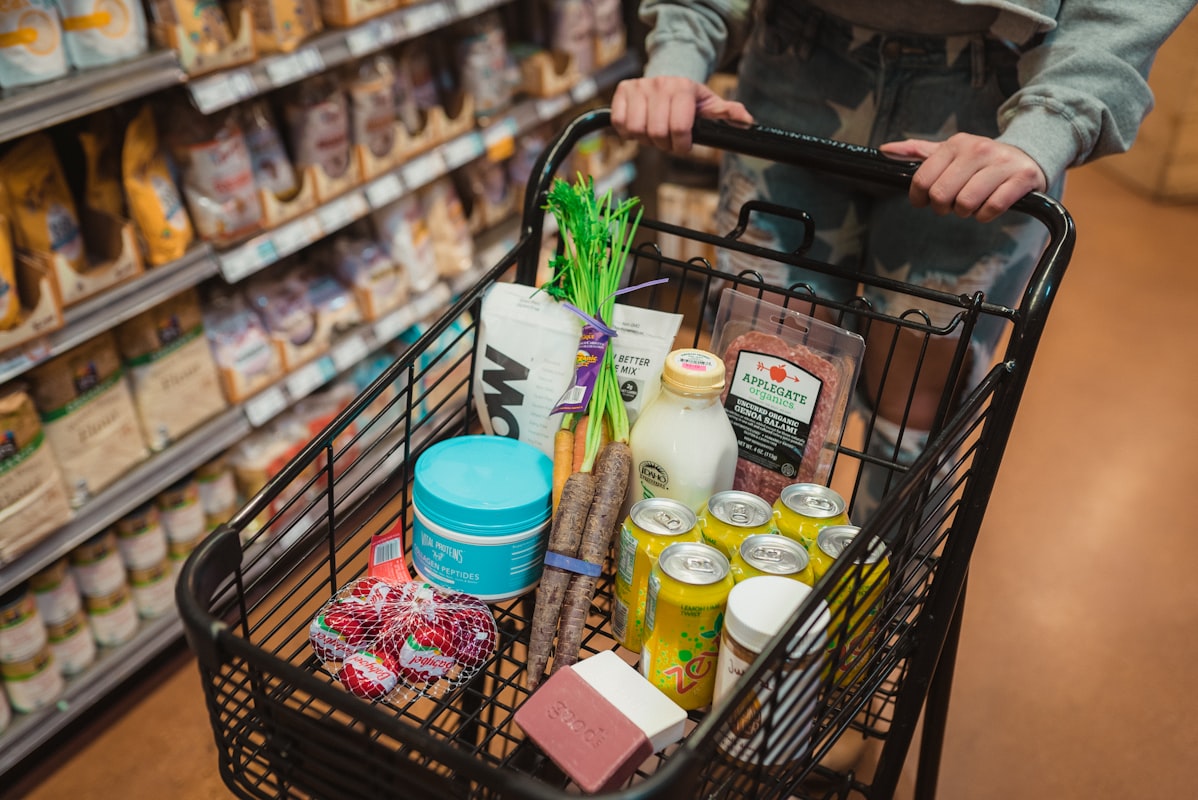
Essential Categories for Your Healthy Pantry
Quality Proteins
Choose lean cuts of meat, wild-caught fish, eggs, and legumes. These provide amino acids without excessive saturated fats. Rotate sources to maximize nutrient variety and ensure complete protein intake for muscle health.
- ✓ Grass-fed beef
- ✓ Wild salmon
- ✓ Organic chicken
- ✓ Lentils and beans
- ✓ Free-range eggs
Fresh Produce
Select seasonal fruits and vegetables for maximum freshness and nutrient density. Frozen options are also excellent—they're picked at peak ripeness and retain nutrients. Aim to fill half your plate with vegetables at main meals.
- ✓ Dark leafy greens
- ✓ Cruciferous vegetables
- ✓ Colorful berries
- ✓ Root vegetables
- ✓ Seasonal fruits
Whole Grains
Swap refined grains for whole grain options containing at least 3 grams of fiber per serving. These digest slowly, providing sustained energy and better blood sugar control. Look for 100% whole grain labels.
- ✓ Brown rice
- ✓ Oats
- ✓ Quinoa
- ✓ Whole wheat bread
- ✓ Barley
Healthy Fats
Include monounsaturated and polyunsaturated fats from nuts, seeds, and oils. These support brain function, hormone production, and vitamin absorption. Choose cold-pressed options and store properly to preserve nutrients.
- ✓ Olive oil
- ✓ Nuts and seeds
- ✓ Avocados
- ✓ Coconut oil
- ✓ Fatty fish
Dairy & Alternatives
Choose unsweetened options with minimal additives. Greek yogurt provides protein and probiotics for digestive health. If choosing plant-based milk, ensure they're fortified with calcium and vitamin D for nutritional completeness.
- ✓ Greek yogurt
- ✓ Cottage cheese
- ✓ Unsweetened almond milk
- ✓ Kefir
- ✓ Natural cheese
Pantry Staples
Stock herbs, spices, vinegars, and broths that add flavor without calories or sodium. Natural sweeteners like honey and dates provide alternatives to refined sugar. Quality condiments make nutritious meals taste better without excess salt.
- ✓ Herbs and spices
- ✓ Apple cider vinegar
- ✓ Low-sodium broth
- ✓ Raw honey
- ✓ Tomato paste
Common Questions About Healthy Grocery Shopping
Should I buy organic produce?
Organic produce can reduce pesticide exposure, but conventional options are also regulated for safety. Prioritize organic for the "dirty dozen"—fruits and vegetables with high pesticide residue like strawberries, spinach, and apples. For items with thick skins like bananas and avocados, conventional is acceptable.
How long can I store fresh produce?
Storage varies by type. Leafy greens last 3-5 days in the crisper drawer; berries last 5-7 days. Root vegetables and hardy squashes last weeks to months in cool, dark storage. For maximum freshness, buy smaller quantities more frequently rather than storing for extended periods.
Are frozen vegetables less nutritious?
No. Frozen vegetables are picked at peak ripeness and flash-frozen, locking in nutrients. They often contain more vitamins than fresh produce that has traveled long distances and sat in stores. Frozen options are convenient, reduce waste, and offer year-round access to seasonal vegetables.
How do I identify hidden sugars?
Sugar has many names: high-fructose corn syrup, agave nectar, honey, molasses, cane juice, and malt syrup. Check ingredient lists and nutritional labels for total sugars. Products claiming "natural" or "no added sugar" still need verification—read labels carefully for actual content.
What are ultra-processed foods?
Ultra-processed foods have multiple additives, high sodium, added sugars, and low nutritional value—think instant noodles, packaged snacks, and sugary cereals. These items satisfy immediate cravings but don't provide sustained nutrition. Limit to occasional consumption rather than regular staples.
How much should healthy foods cost?
Nutritious eating doesn't require premium prices. Buy seasonal produce, choose store brands for basics, purchase bulk grains and legumes, and compare unit prices. Rice, beans, oats, and seasonal vegetables are affordable foundations for healthy meals regardless of budget.
Real Stories from Healthier Shoppers
"I've been using the label-reading tips for three months now, and I feel more energetic throughout the day. My digestion improved significantly once I switched to whole grains and real foods. This approach has become second nature to me."
Sarah Kusuma
Bandung
"The 5-step framework changed how I shop completely. Planning meals ahead saves money and stops me from buying junk food. My family now prefers the food I bring home, and everyone's feeling the positive effects."
Budi Handoko
Jakarta
"I never realized how many hidden sugars were in my regular purchases until reading labels properly. Switching to whole foods was easier than expected, and my blood sugar feels more stable throughout the day. Thank you for the practical guidance."
Dewi Lestari
Surabaya
Get Your Free Healthy Shopping Checklist
A printable guide with categories, portion sizes, and label-reading tips. Download it now and take it to your next grocery trip.
We respect your privacy. Your email is used only for the checklist download.
Transform Your Shopping Habits Today
Healthier grocery choices start with knowledge and planning. Use these evidence-based strategies to shop smarter, feel better, and support your body's nutritional needs. Your future self will thank you for the decision you make at the grocery store today.
Browse more detailed articles and guides to deepen your understanding of nutrition labels, ingredient quality, and meal planning strategies.
About Strongerbodyfoodpro
Strongerbodyfoodpro is an editorial platform dedicated to helping individuals make informed decisions about nutrition and grocery shopping. Our team of nutrition researchers and food writers publishes evidence-based content designed to empower shoppers with practical knowledge about food quality, label reading, and healthy eating habits.
We believe that better health begins with better choices at the grocery store. Through our detailed guides, articles, and resources, we help readers understand what they're actually buying and how to align their purchases with their nutritional goals.